|
|
|
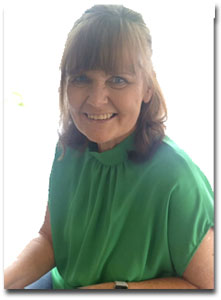 |
NANCY MAILLIE
Parranquet 47210
Advanced Diploma in Therapeutic Counselling
I work with an Integrative approach and specialise in
Attachment, Trauma and Childhood Trauma
Email:
info@mindsinsync.net
|
I am an experienced
therapeutic counsellor specialising in trauma,
attachment, neurodiversity and the lasting impact of
early relationships and life experiences. My approach is
compassionate, relational and grounded in an
understanding that the ways we learn to cope often
develop for very good reasons.
I work online with adults who may be experiencing
anxiety, shame, relationship difficulties, low
self-worth, emotional overwhelm or a sense of feeling
stuck in patterns they understand intellectually but
find difficult to change.
My practice is trauma-informed, attachment-aware,
relational and neurodiversity-affirming. I draw on an
understanding of how early relationships, trauma,
adversity and experiences of safety and connection can
influence the way we learn to relate to ourselves, other
people and the world around us.
An important part of my work is understanding the
relationship between our present-day experiences and the
ways our nervous system has learned to recognise safety
and threat. Sometimes our reactions can feel
disproportionate to what is happening now because
something in the present has activated an older pattern
of protection .For people who experienced difficult,
inconsistent or unsafe childhood relationships, this may
also involve exploring attachment, shame, unmet
emotional needs and the parts of ourselves that learned
to adapt in order to maintain connection or cope with
what was happening around us.
For neurodivergent clients, I recognise that distress
cannot always be understood through a purely
psychological lens. Sensory needs, communication
differences, masking, overwhelm, burnout and years of
adapting to environments that were not designed around
your needs can all influence emotional wellbeing and
sense of self.
I therefore aim to offer a space where difference does
not automatically become pathology. |
|

